A Complete Guide to Homes for Sale in Franktown, Colorado
Reading time: 9 minutes
Tucked between the pines of Douglas County and the rolling grasslands east of the Front Range, Franktown has quietly become one of Colorado’s most sought-after semi-rural communities. If you’ve been scrolling listings at 11 p.m. wondering whether this small unincorporated town is actually worth the drive from Denver, you’re asking the right question—and this guide is built to answer it.
Table of Contents
- Why Buyers Are Choosing Franktown in 2026
- Understanding the Local Market Right Now
- Types of Homes You’ll Find
- Neighborhoods and Micro-Markets Worth Knowing
- Common Challenges (and How to Solve Them)
- Practical Buying Roadmap
- Frequently Asked Questions
- Your Next Move
Why Buyers Are Choosing Franktown in 2026
Here’s the straight talk: Franktown isn’t a suburb chasing Denver’s shadow—it’s a destination in its own right. Located roughly 30 miles southeast of downtown Denver along Highway 83, this community of large lots, horse properties, and custom-built homes has drawn a steady stream of buyers priced out of Castle Rock and Parker but unwilling to sacrifice quality of life.
Local agents report that inventory in early 2026 remains tight, with many properties selling within three to five weeks of listing when priced appropriately. Douglas County’s broader population growth—still one of the fastest-growing counties in Colorado—continues to push demand outward into communities like Franktown, where zoning favors larger acreage and fewer neighbors.
Quick Scenario: Imagine a family relocating from Highlands Ranch who wants space for horses, a workshop, and reliable Douglas County schools without a two-hour commute. Franktown checks every box, which is exactly why it keeps appearing on relocation shortlists this year.
The Lifestyle Draw
Buyers aren’t just purchasing square footage—they’re purchasing breathing room. Many properties sit on one to thirty-five acres, offering privacy that’s increasingly rare within an hour of a major metro. Equestrian facilities, mountain views toward Pikes Peak, and access to Pike National Forest trailheads are recurring selling points in listing descriptions.
The Financial Reality
It’s not all idyllic pasture views, though. Larger lots mean higher costs for well maintenance, septic systems, and sometimes longer commute times for daily errands. Buyers need to weigh lifestyle against practical ownership costs—something we’ll unpack further below.
Understanding the Local Market Right Now
As of early 2026, the median home price in Franktown hovers in the $850,000 to $1.1 million range, according to regional MLS data aggregated by Douglas County brokerages. That’s noticeably higher than the Denver metro median, reflecting the area’s larger lot sizes and custom-home inventory rather than tract housing.
“Franktown buyers are typically move-up purchasers,” notes one Castle Rock-based broker who has worked the corridor for over a decade. “They’ve owned before, they know what they want, and they’re willing to pay for land and privacy rather than proximity.”
Inventory has improved slightly compared to the ultra-tight conditions of 2023-2024, giving buyers a bit more negotiating room in 2026, particularly on homes listed above $1.2 million that have sat for 60+ days.
Comparative Snapshot: Franktown vs. Nearby Markets
| Community | Median Price (2026) | Typical Lot Size | Avg. Days on Market | Commute to Denver |
|---|---|---|---|---|
| Franktown | $850K–$1.1M | 2–10 acres | 38 days | 45–55 min |
| Castle Rock | $650K–$750K | 0.2–0.5 acres | 24 days | 35 min |
| Parker | $620K–$720K | 0.15–0.4 acres | 21 days | 30 min |
| Elizabeth | $580K–$680K | 1–5 acres | 33 days | 55 min |
| Larkspur | $700K–$850K | 3–15 acres | 40 days | 50 min |
Price Growth Comparison (2023–2026)
Types of Homes You’ll Find
Franktown’s housing stock is refreshingly varied, which is part of its charm and part of its challenge for first-time buyers trying to compare apples to apples.
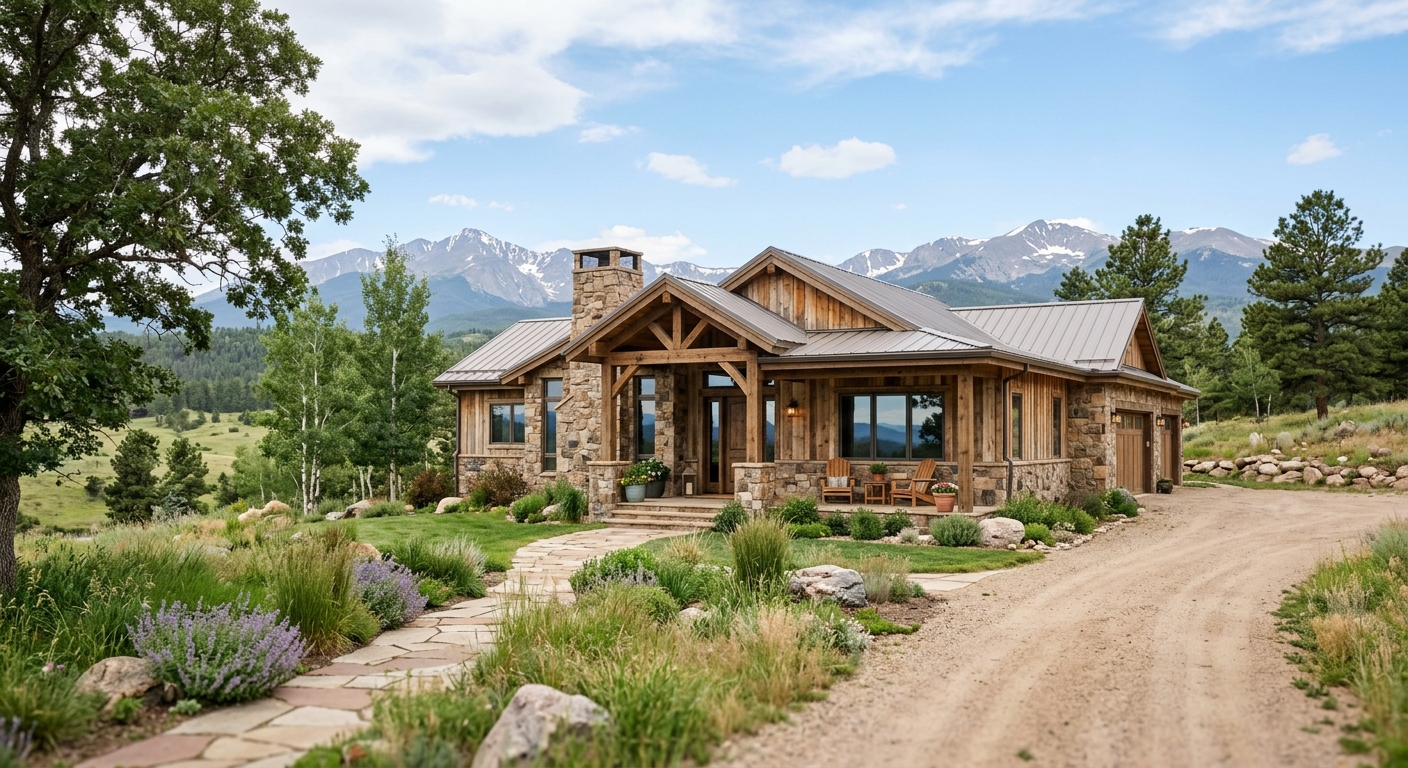
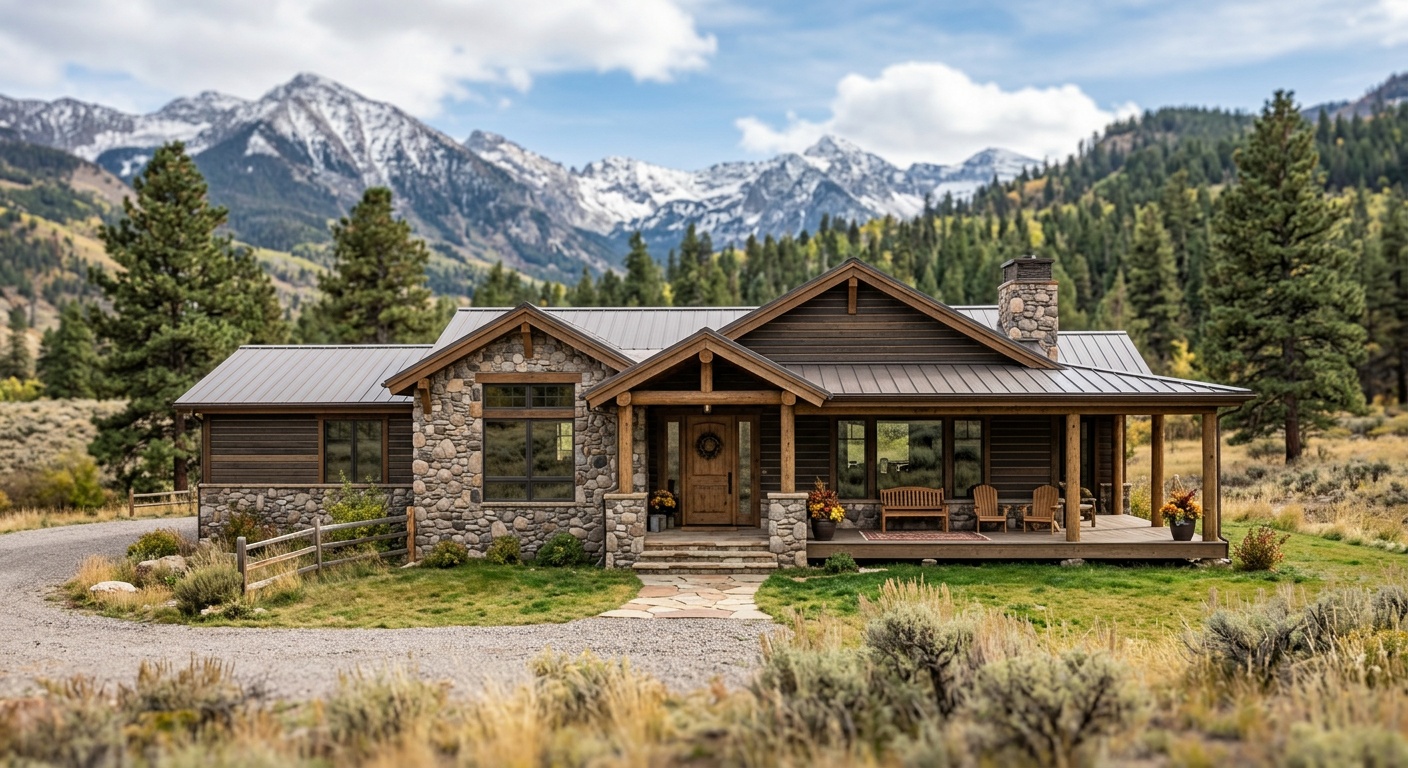
- Custom ranch and mountain-contemporary homes on 5+ acres, often built between 2005 and 2022, featuring open floor plans and mountain-view orientation.
- Equestrian estates with barns, arenas, and cross-fencing—popular among buyers relocating from other horse-friendly regions.
- Newer construction within planned communities like The Retreat and Sundance, which offer slightly smaller lots (1–3 acres) with more standardized architectural guidelines and HOA oversight.
- Older farmhouse-style properties, some dating to the early 1900s, that have been renovated but retain historic character.
What Sets Franktown Apart from Cookie-Cutter Suburbs
Unlike Parker or Castle Rock, there’s no dominant production builder shaping Franktown’s aesthetic. That means more individuality, but also more variability in build quality, insulation standards, and system age—so a thorough inspection matters more here than in a tract-home subdivision.
Neighborhoods and Micro-Markets Worth Knowing
Not all of Franktown is created equal, and understanding the micro-markets can save you from overpaying or underestimating a property’s resale potential.
- The Retreat at Timber Canyon: Gated, upscale, with strong HOA-maintained roads and shared amenities.
- Sundance: A mix of established and newer builds, generally 2–5 acre lots, popular with families.
- Deer Ridge / Bell Mountain Ranch: Slightly further out, larger lots, more secluded, favored by buyers prioritizing privacy over convenience.
- Downtown Franktown corridor: Smaller parcels near Highway 83, offering shorter commute times within the community itself and proximity to local businesses.
Common Challenges (and How to Solve Them)
Well, here’s the honest picture: buying in Franktown comes with a specific set of hurdles that differ from typical suburban purchases.
Challenge 1: Well and Septic Due Diligence
Most Franktown properties rely on private wells and septic systems rather than municipal utilities. Buyers unfamiliar with this should budget for a well flow test, water quality analysis, and septic inspection—typically $600–$1,200 combined—before waiving any contingencies.
Challenge 2: Financing Larger Acreage
Some lenders cap the amount of “excess land” they’ll finance under standard conventional loans, especially when acreage exceeds 20-40 acres or includes agricultural outbuildings. Working with a lender experienced in rural Colorado properties—rather than a generic national bank—prevents last-minute financing surprises.
Challenge 3: Limited Inventory in Desired Price Bands
Homes priced between $700,000 and $850,000 tend to move fastest, often receiving multiple offers within the first two weeks. Buyers targeting this range should have financing pre-approval finalized (not just pre-qualification) before touring homes seriously.
Practical Buying Roadmap
Ready to transform browsing into action? Here’s a sequence that consistently works for buyers entering the Franktown market in 2026:
- Get pre-approved with a rural-savvy lender who understands acreage financing and non-conforming loan limits.
- Define your non-negotiables—acreage, school boundaries, commute tolerance—before you start touring, since Franktown’s variety can otherwise overwhelm decision-making.
- Partner with an agent who specializes in Douglas County rural properties, not just general metro Denver listings.
- Budget for inspections beyond the standard home inspection, including well, septic, and if applicable, structural assessments for older barns or outbuildings.
- Move quickly but deliberately on well-priced homes in the $700K–$900K range, where competition remains strongest.
Pro Tip: Ask sellers for well permit records and septic system age upfront. Colorado law requires septic system disclosure, but older permits can be incomplete—requesting this early avoids delays during closing.
Frequently Asked Questions
Is Franktown, Colorado a good place to invest in 2026?
Yes, with caveats. Land-based appreciation has outpaced many nearby suburbs over the past three years, driven by scarcity of large-lot inventory. However, investors should factor in higher maintenance costs (wells, septic, longer driveways) that don’t apply to typical suburban rentals or flips.
What school district serves Franktown homes?
Most Franktown properties fall within Douglas County School District, one of Colorado’s largest and generally well-regarded districts, though specific school assignments vary by exact address and should be confirmed directly with the district before purchasing.
How much land do I actually need for horses in Franktown?
Local guidance generally suggests a minimum of 2 acres per horse for sustainable pasture rotation, though many equestrian buyers target 5+ acres to accommodate arenas, barns, and turnout areas comfortably.
Your Roadmap Forward
Franktown represents something increasingly rare in the Denver metro orbit: space, character, and a genuine sense of place, without abandoning access to city amenities entirely. As Douglas County’s growth trajectory continues through 2027 and beyond, communities like Franktown are likely to see sustained—if moderated—price appreciation as buyers keep seeking land over density.
- Start with financing—rural-specific pre-approval saves weeks of frustration later.
- Prioritize inspections unique to acreage properties, especially wells and septic systems.
- Work local—an agent fluent in Franktown’s micro-markets will outperform a generalist every time.
- Stay realistic about tradeoffs—privacy and acreage come with maintenance responsibilities that suburban buyers rarely anticipate.
So, are you chasing a bigger yard, or are you actually ready for the wells, the septic tanks, and the wide-open Colorado sky that come with it? Franktown rewards buyers who ask that question honestly before they fall in love with the view.
About the Author
