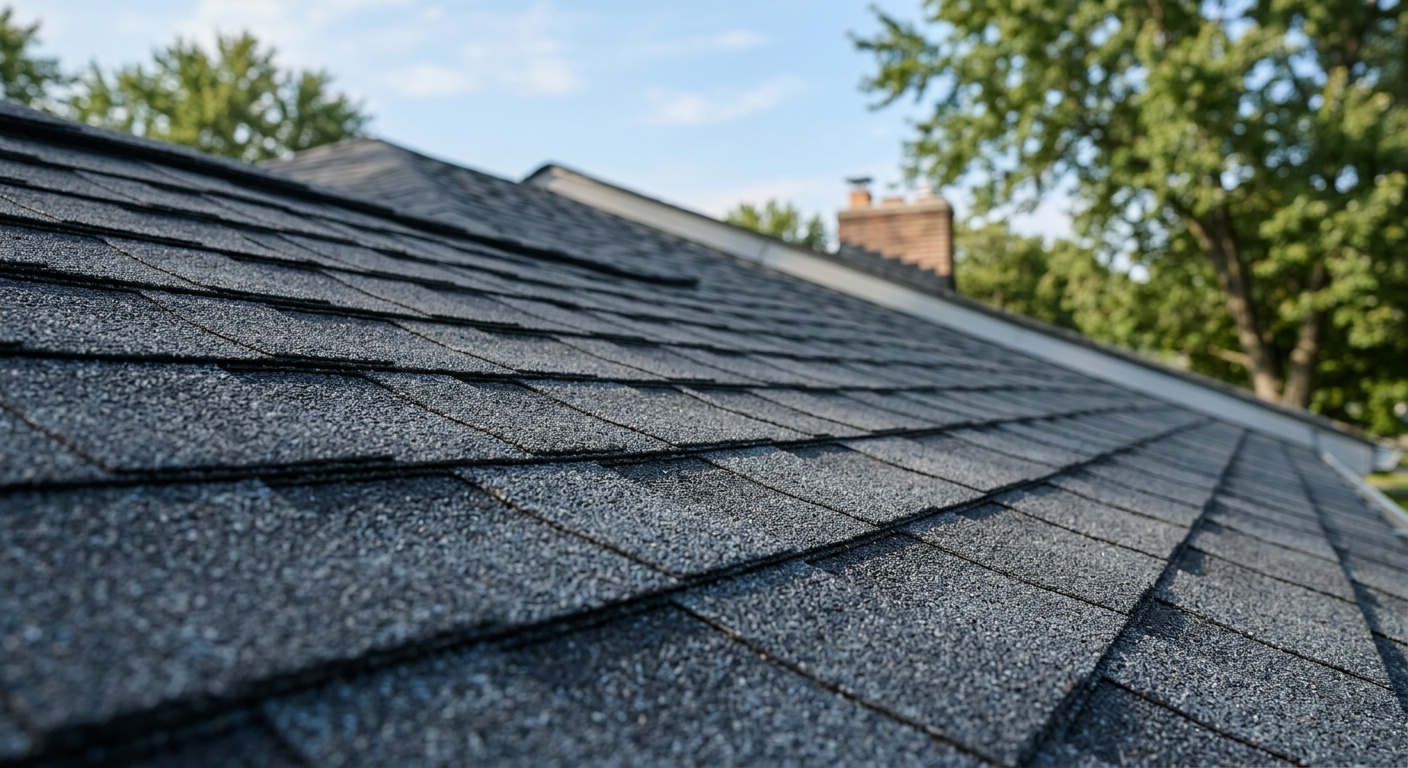
Does a New Roof Add Value to Your Franktown Property? Here’s the Real Answer
Reading time: 8 minutes
You’re standing in your driveway, staring up at shingles that have seen one too many Colorado hailstorms, wondering if replacing them is actually worth the investment—or just another expense that disappears into the ether of homeownership. If you own property in Franktown, Colorado, this question hits differently than it might elsewhere. Between the semi-rural acreage, equestrian properties, and the increasingly wild weather patterns hitting Douglas County in 2026, your roof isn’t just protection—it’s a financial asset.
Let’s cut through the noise and get to what actually matters.
Table of Contents
- The Value Question: What Franktown Data Actually Shows
- ROI Breakdown by Roofing Material
- Why Franktown’s Market Is Different
- Real Scenarios: Three Franktown Homeowners
- Common Challenges (And How to Handle Them)
- Frequently Asked Questions
- Your Roofing Investment Roadmap
The Value Question: What Franktown Data Actually Shows
Here’s the straight talk: a new roof doesn’t just “add value” in some abstract sense—it directly impacts appraisal outcomes, buyer negotiations, and insurance premiums. According to the 2026 Remodeling Impact Report from the National Association of Realtors, roof replacement projects recover roughly 85-95% of their cost at resale nationally. But Franktown properties, many sitting on 2-10 acre lots with higher-end finishes, tend to skew toward the higher end of that range.
Why? Because in a market where homes average $850,000 to $1.4 million, buyers evaluating a property that size aren’t nickel-and-diming over paint colors—they’re scrutinizing big-ticket systems. Roof, well, septic, and HVAC top that list every time.
“Buyers in the Franktown and Elizabeth corridor are sophisticated. They’ve done their homework on hail damage history, and a documented, warrantied roof replacement is often the deciding factor between two comparable listings,” says a Douglas County-based appraiser interviewed for this piece.
The Insurance Angle Nobody Talks About
This is the part most articles skip entirely. In 2026, Colorado homeowners insurance premiums have climbed an average of 11% year-over-year, largely driven by hail losses across the Front Range corridor—Franktown included. Insurers are increasingly offering premium discounts of 10-20% for impact-resistant Class 4 shingles. That’s not just resale value; that’s ongoing monthly savings that a buyer’s lender and insurance agent will absolutely factor into affordability calculations.
ROI Breakdown by Roofing Material
Not all roofs return value equally. Here’s how the major options stack up for Franktown-area properties specifically, based on 2026 regional contractor pricing and comparable resale data.
| Roofing Material | Avg. Cost (2,500 sq ft) | Est. Resale ROI | Lifespan | Insurance Discount Eligible |
|---|---|---|---|---|
| Architectural Asphalt Shingle | $14,000–$18,500 | 88% | 25–30 years | Sometimes |
| Class 4 Impact-Resistant Shingle | $17,000–$22,000 | 94% | 30 years | Yes |
| Standing Seam Metal | $28,000–$38,000 | 80% | 40–50 years | Yes |
| Synthetic/Composite Slate | $24,000–$32,000 | 83% | 45 years | Yes |
| Natural Wood Shake | $22,000–$30,000 | 70% | 20–25 years | No |
Visualizing the ROI Gap
Here’s a simple breakdown of resale ROI percentages across the top four materials Franktown homeowners actually choose:
Why Franktown’s Market Is Different
Franktown isn’t Denver. It isn’t even Parker or Castle Rock, despite proximity. Properties here tend to be larger, often with outbuildings, barns, or detached garages that also need roofing consideration. Buyers shopping this specific pocket of Douglas County are frequently relocating from out of state, unfamiliar with Colorado’s hail patterns, and leaning heavily on inspection reports to make decisions.
That unfamiliarity works in your favor if you’ve already replaced the roof. A documented, recent installation removes a huge unknown for an out-of-state buyer who has no frame of reference for “what a 15-year-old asphalt roof in a hail corridor” actually means for their future maintenance budget.
The Hail Factor: A Regional Reality
Douisha County recorded multiple significant hail events in 2025, with insurance claims data showing Franktown and surrounding unincorporated areas among the higher-frequency zones in the state. This isn’t fear-mongering—it’s simply the operating environment. Roofs here age faster than the national average, and buyers know it. A pre-listing inspection revealing hail damage can tank a sale price by 3-5% in negotiations, according to regional real estate agents tracking 2026 closings.
Real Scenarios: Three Franktown Homeowners
Scenario One: The Pre-Sale Gamble. A homeowner on a 5-acre parcel near Highway 83 listed their property in early 2026 without replacing an aging, hail-pocked roof. The home sat on market for 71 days before the buyer’s inspection forced a $19,000 price reduction—more than double what a proactive replacement would have cost.
Scenario Two: The Strategic Upgrade. Another owner replaced their asphalt roof with Class 4 impact-resistant shingles a full year before listing. Not only did they qualify for an insurance premium reduction during that final year of ownership, but their listing highlighted the upgrade explicitly—and it sold in 12 days at asking price.
Scenario Three: The Equestrian Property Play. A larger acreage property with a barn and detached workshop needed roofing on three structures. The owner bundled all three under one contractor for a discounted rate, then used the “fully updated roofing systems” language in marketing. Appraisal came in $28,000 above the neighborhood comp average, with the appraiser citing deferred-maintenance avoidance as a factor.
Common Challenges (And How to Handle Them)
Challenge 1: Timing the Investment
Replacing a roof too early wastes money; replacing it too late costs you in negotiations. The general rule for Franktown sellers: if your roof is over 15 years old and you’re planning to list within 24 months, get a professional inspection now. Waiting until you’re under contract to discover problems is the costliest scenario possible.
Challenge 2: Choosing Between “Good Enough” and “Optimal”
Not every homeowner needs the $35,000 standing seam metal roof. If you’re not staying long-term and the neighborhood comps don’t support premium materials, a well-installed architectural asphalt shingle with Class 4 rating often hits the sweet spot between cost and return.
Challenge 3: Contractor Verification
Franktown’s semi-rural setting means more traveling contractors and storm-chasers than urban Denver. Always verify local licensing, insurance, and request references from actual Douglas County jobs completed within the last 12 months. A poorly documented installation can actually hurt resale value if warranty paperwork is missing.
Frequently Asked Questions
Does a new roof guarantee a higher appraisal in Franktown?
Not automatically, but it removes a major negotiating lever for buyers and appraisers who might otherwise flag deferred maintenance. It’s less about guaranteed dollar-for-dollar increase and more about protecting your baseline value and speeding up the sale timeline.
How soon before selling should I replace my roof?
Ideally 6-18 months before listing. This gives you time to register warranties, gather documentation, and in some cases qualify for a full year of reduced insurance premiums that you can highlight to buyers as an ongoing savings benefit.
Is a metal roof worth the extra cost for a Franktown property?
It depends on your timeline. If you’re staying 10+ years, the durability and lower long-term maintenance often justify the premium. If you’re selling within 3-5 years, a Class 4 asphalt shingle typically delivers better ROI relative to upfront cost.
Your Roofing Investment Roadmap
Here’s your practical next-step checklist, whether you’re selling next month or five years from now:
- Get an inspection today. Don’t wait for a listing agent to tell you what a contractor could’ve flagged months earlier.
- Request your insurance discount details. Ask your carrier exactly what materials qualify for premium reductions in 2026—this number changes yearly.
- Document everything. Warranties, contractor licensing, material specs. Buyers and appraisers both respond to paperwork, not promises.
- Match material to timeline. Short-term owners lean toward Class 4 asphalt; long-term owners benefit more from metal or synthetic slate.
- Factor in outbuildings. If you’ve got a barn or workshop, bundle roofing work for cost efficiency and a stronger overall property narrative.
The roof over your head in Franktown isn’t just shelter—it’s one of the few home improvements that pays you back in resale value, insurance savings, and negotiating leverage simultaneously. As hail patterns intensify and buyer scrutiny sharpens across Douglas County’s 2026 market, the question isn’t really whether a new roof adds value. It’s whether you can afford to wait until the decision gets made for you by a failed inspection or a denied insurance claim.
So, where does your roof stand right now—and what’s it costing you to not know the answer?
About the Author
